If New England weather has taken a toll on that big maple or oak tree in your yard, it might need to come down. Knowing the best time of year to remove a tree can make a big difference in how safe, smooth, and cost-effective the project turns out.Â
For homeowners scheduling tree removal in Middlebury, CT, timing often depends on the tree’s health and the urgency of the work. While removal can happen year-round, certain seasons offer clear advantages. Getting the timing right saves money, keeps the yard safer, and helps the rest of the landscape bounce back faster.Â
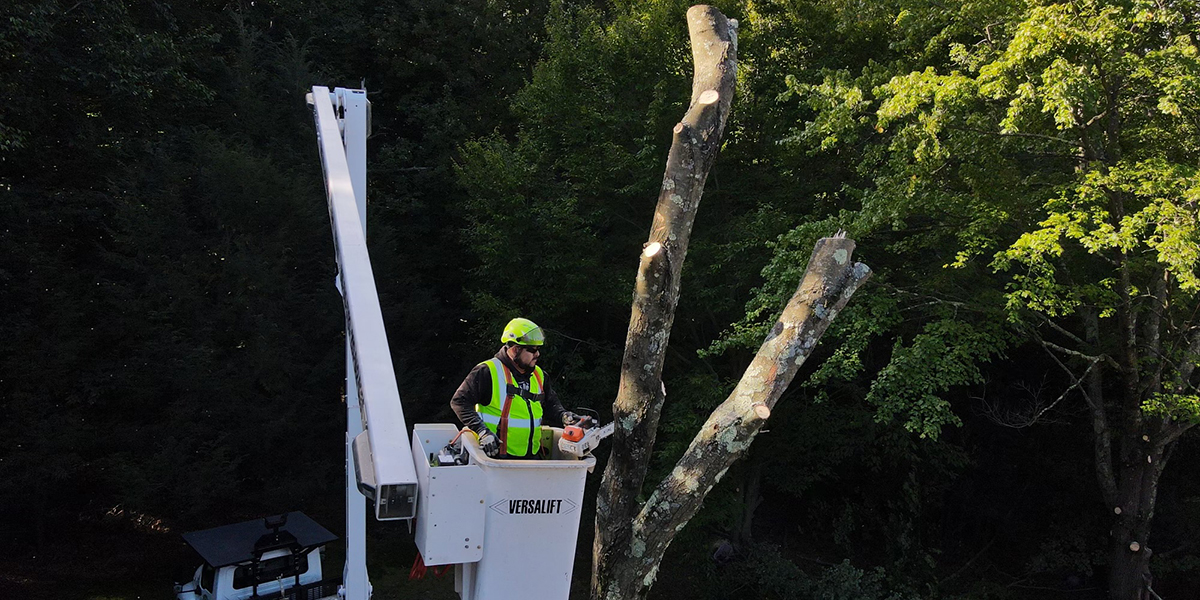
Late Fall to Early Spring: The Sweet Spot for Tree RemovalÂ
The best time of year to remove a tree in terms of cost, convenience, and lawn protection almost always falls between leaf drop and bud break. That means late fall through early spring usually wins out as the optimal tree removal time.Â
Once leaves drop in November and the ground firms up after the first few frosts, crews face fewer obstacles. Dormant trees weigh less without foliage, sap runs more slowly, and insects that spread disease take a break. Frozen or semi-frozen soil handles heavy equipment better than muddy spring yards, reducing ruts and compaction around remaining trees and shrubs.Â
This season aligns well with a smart tree-cutting schedule, especially for dead, damaged, or declining trees. That said, early spring can also be a good option, but timing matters. Once new growth starts, removals may take longer because branches become fuller and more unstable.Â
However, if a tree poses an immediate safety hazard, don’t wait to cut it down. Safety always comes first, and safe tree removal practices are easier to follow when homeowners act quickly.
Fall Is the Next Best Option
Late summer and early fall are the next best times to cut down failing or unwanted trees. Homeowners who spot trouble during summer inspections often schedule removal for the fall to stay ahead of winter storms. Cooler temperatures and the start of leaf drop make it easier to spot structural problems in a tree.Â
Summer Isn’t Always IdealÂ
You might think that the warm temperatures and sunshine of spring and summer make them the ideal time to cut down a tree, but most arborists recommend avoiding April through June unless the tree poses an immediate hazard. During this time, trees push new growth, sap flows heavily, and wounds heal more slowly, leaving stumps and surrounding trees vulnerable to pests and fungi.Â
Dense summer foliage also limits visibility and makes the job more complex. Still, for many homeowners, summer fits their schedule best, especially if they are already planning other yard projects and focusing on tree maintenance planning for the rest of the year.
When To Cut Down a Tree
No matter the season, the best time of year to remove a tree depends on why it needs to come down. A damaged or diseased tree often cannot wait.
Regular checks catch problems before they turn into emergencies that require removal at off times. Some of the signs you need to cut down a tree include:
- A leaning trunk
- Dead branches
- Cracks in limbs
- Root heaving
- Fungus (mushrooms) at the base of the trunkÂ
These red flags override seasonal preferences because falling limbs or whole trees threaten homes, driveways, and power lines.
Call the Seasonal Tree Removal Experts for Help
If you believe it’s the best time of year to remove a tree, contact GM 2 Tree Services at (860) 940-5783 for fast, reliable service and expert guidance. They can assess the situation, recommend the right timing, and handle the job safely from start to finish.
